

Can You Put a Silk Bonnet on Wet Hair? What You Need to Know
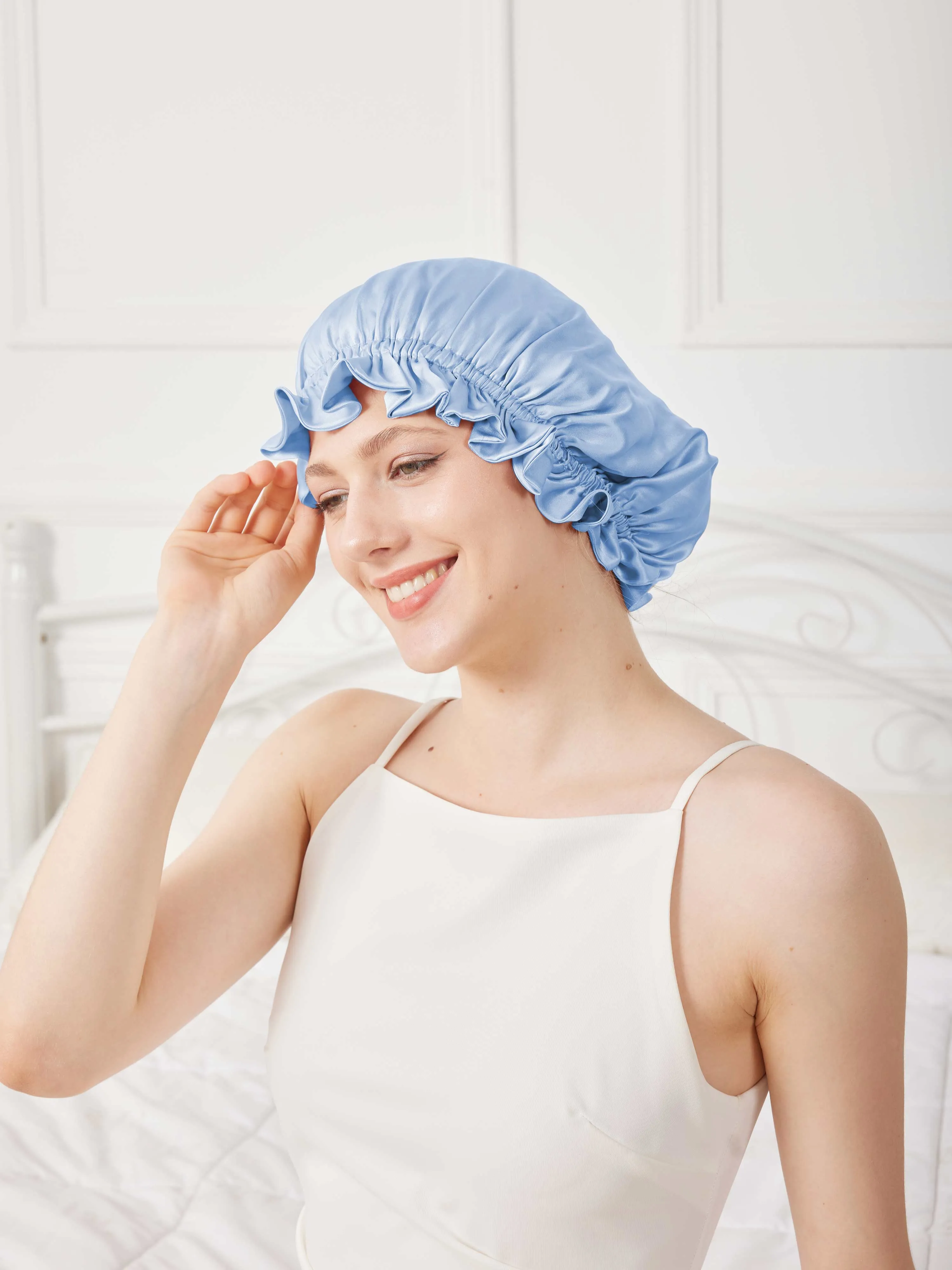
There has always been a fascination with hair care, particularly with regard to nourishing and preserving damp hair. The correct methods and equipment may make the difference between frizzy, damaged hair and healthy, beautiful locks. The silk bonnet is one item that has become more and more popular lately due to its alleged hair advantages. However, the most pressing issue that many people have is: Is it possible to wear a silk bonnet over damp hair? This simple yet significant question has generated a lot of discussion. While some people fervently believe that a silk bonnet keeps hair hydrated and minimizes frizz, others are less convinced and worry that it can harm their hair. This post will discuss whether it's a good idea to wear a silk hat on damp hair and how this traditional hair item may help or hurt your hair care regimen.
Understanding Silk Bonnets
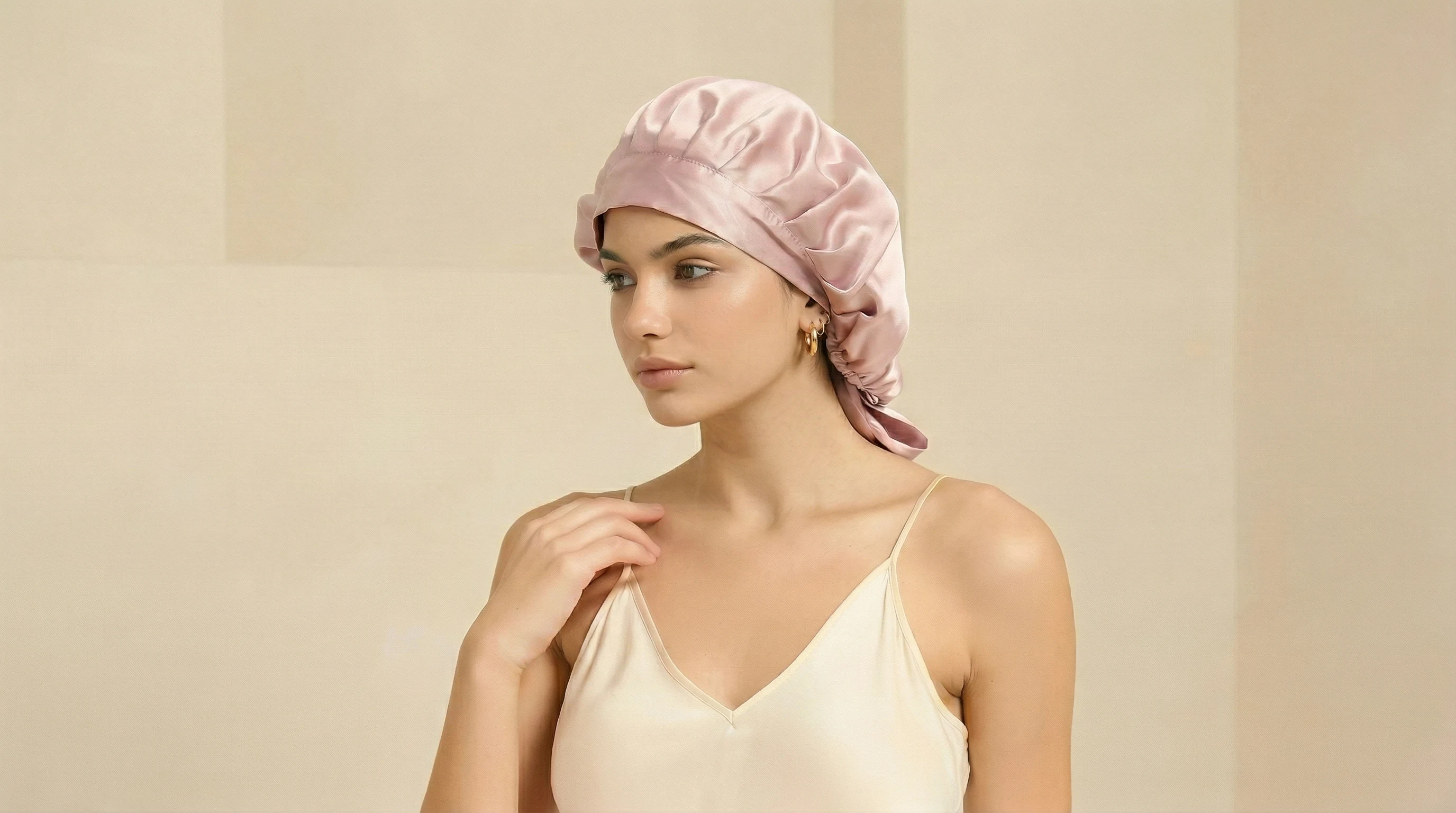
A silk bonnet is a head covering made of premium silk that is intended to protect hair from harm from abrasive textiles, friction, and moisture loss. Silk is known for its silky texture, which enables hair to flow over it without snagging or needless breaking, in contrast to cotton or other popular fabrics. As you sleep, the bonnet's tight fit creates a barrier that protects your hair's natural oils, keeps it from tangling, and lessens friction. These bonnets have been around for generations, and as more people adopt natural hair care practices, their appeal is growing again.
Wearing a silk hat on damp hair is based on the fabric's capacity to retain moisture. By keeping hair from drying out and becoming brittle, the bonnet may assist in maintaining the moisture that hair sorely needs. A typical issue is elegantly resolved by the silk's smooth surface, which keeps your hair silky and frizz-free.
How Hair Porosity Affects Your Decision
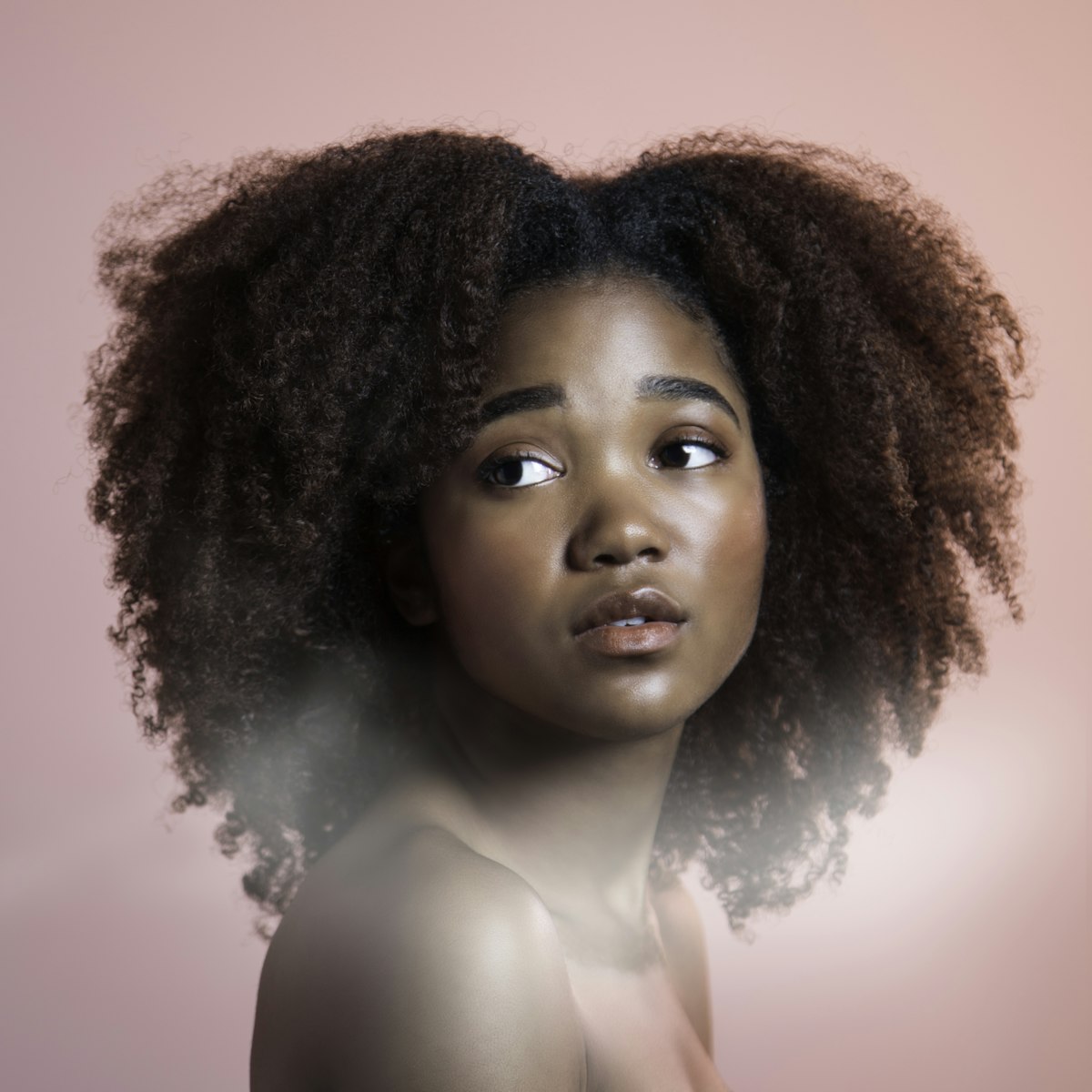
Before deciding whether to bonnet damp hair, understanding your hair's porosity makes the whole process more effective. Porosity describes how well your hair absorbs and holds moisture, and it plays a direct role in how your hair behaves under a silk bonnet overnight.
Low porosity hair
Low porosity hair has a tightly closed cuticle layer. Moisture sits on the surface rather than sinking in, which means products and water take longer to absorb. If you put a silk bonnet on low porosity hair that's still quite damp, the moisture has nowhere to go. It can leave the hair feeling heavy and the scalp feeling clammy by morning. For this hair type, air-drying for 15 to 20 minutes before putting the bonnet on gives the best results. The hair should feel cool and slightly moist to the touch, not wet.
Medium porosity hair
Medium porosity hair strikes a balance. The cuticle opens and closes normally, so moisture absorbs at a reasonable rate. This hair type handles a damp bonnet routine well. After washing, gently squeeze excess water with a microfiber towel, apply your leave-in, and put the silk bonnet on within a few minutes. By morning, the hair should feel soft and well-moisturized without being overly wet.
High porosity hair
High porosity hair absorbs moisture fast but also loses it fast. The cuticle is raised or damaged, often from chemical treatments, heat, or natural texture. For high porosity hair, a silk bonnet on damp hair can actually be very helpful. The bonnet slows moisture evaporation, giving the hair more time to hold onto hydration. Apply a cream or oil to seal the moisture before bonneting. This creates a moisture sandwich that high porosity hair genuinely benefits from.
The Risks of Sleeping on Wet Hair Without Protection
A number of bad things may happen if you go to bed with damp hair and no protection. First of all, wet hair is far more brittle than dry hair, which makes it more likely to break. Over time, split ends and thinning hair may result from sleeping on damp hair, particularly on rough fabric or cotton pillows, which can cause the hair to strain and break. The moisture in your hair escapes as you sleep, leaving your locks lifeless and dry.
In addition to causing physical harm, resting on damp hair may harm the health of your scalp. Dandruff and other scalp disorders may result from the perfect circumstances for fungal development created by a wet scalp. Unattended wet hair may even become matted and twisted, making it difficult to maintain the following morning. These factors make it crucial to think about preventative measures like a silk bonnet in order to preserve the well-being of your scalp and hair.
Can You Put a Silk Bonnet on Wet Hair?
Now, let's address the core question: Can you put a silk bonnet on wet hair? The short answer is yes, you can. In fact, doing so is beneficial for most hair types, provided that your hair isn't dripping wet or soaked through. A silk bonnet can provide the gentle care your wet hair needs, reducing friction and preventing moisture from evaporating overnight. However, it's essential to understand that the hair should not be sopping wet when covered with a bonnet.
The optimal condition for wearing a silk bonnet is when your hair is damp but not dripping. If your hair is excessively wet, it can take much longer to dry under the bonnet, potentially causing the scalp to feel uncomfortable or lead to mildew and unpleasant odors. If your hair is soaking wet, it's advisable to gently towel dry or allow it to air-dry for a few minutes before donning the bonnet.
Benefits of Using a Silk Bonnet on Wet Hair
There are several benefits to using a silk bonnet on wet hair, many of which contribute to better hair health in the long term. Here are some of the key advantages:
Moisture Retention
The primary benefit of using a silk bonnet on wet hair is its ability to lock in moisture. Silk's smooth texture helps retain the water in your strands, ensuring that your hair doesn't dry out as quickly as it might without protection.
Prevention of Frizz
Wet hair is more prone to frizz. By wearing a silk bonnet, the smooth material helps reduce the friction that causes hair to frizz. This is particularly beneficial for curly or textured hair types, which are more likely to experience frizz when wet.
Hair Growth and Split End Prevention
Silk is gentle on the hair, preventing breakage and split ends. By protecting your hair from the constant friction of sleeping on rough pillowcases, a silk bonnet can promote healthier, longer hair growth over time.
Protection Against Heat Styling
If you've recently applied heat to your hair, using a silk bonnet on wet hair can help preserve the results of your styling efforts. The bonnet ensures that your hair maintains its smoothness without introducing heat or damaging environmental factors.
Your Overnight Damp Hair Routine: Step by Step
Getting the most from a silk bonnet on damp hair comes down to a consistent, well-ordered routine. Here is a practical sequence that works for most hair types.
Step 1: Wash and condition as usual
Complete your normal wash day routine. If you're co-washing or using a deep conditioner, rinse thoroughly so there's no heavy residue that could transfer to your bonnet.
Step 2: Remove excess water gently
Use a microfiber towel or an old t-shirt to scrunch out dripping water. Press and squeeze rather than rubbing. Rubbing creates friction on the cuticle when it's at its most vulnerable. The goal is damp, not dripping.
Step 3: Apply your leave-in products
Work a leave-in conditioner through mid-lengths and ends. If your hair is high porosity, add a light oil on top to seal. For low porosity hair, a water-based leave-in without heavy oils works best.
Step 4: Shape your hair for the bonnet
For curly hair, use a pineapple (loose high ponytail) or a few loose twists. For straight or wavy hair, a single loose braid or a gentle wrap keeps the strands aligned. The shape you choose should be tension-free.
Step 5: Put on your bonnet
Slide the silk bonnet on, making sure all hair is tucked inside. Smooth the edges so there are no creases pressing into the hairline. The fit should feel secure without being tight.
Step 6: Morning reveal
Remove the bonnet slowly. Let the hair settle for a minute before touching it. Shake out gently, scrunch curls if needed, and refresh with a light spritz of water and leave-in if any sections feel dry.
What to Consider Before Putting a Silk Bonnet on Wet Hair
Before you decide to wear a silk bonnet on wet hair, there are a few things to consider to maximize its benefits:
Hair Type and Texture
Consider your hair type. For those with thicker, coarser hair, the silk bonnet can be incredibly helpful in keeping moisture intact. For finer hair, however, be cautious about using a bonnet on hair that's too wet, as it can cause the hair to become weighed down and take longer to dry.
Bonnet Size and Fit
Make sure that the silk bonnet fits snugly around your head without being too tight. A bonnet that's too small might not cover all your hair, leaving parts exposed to friction. A properly fitting bonnet ensures full coverage, protecting your entire head of hair.
Damp vs. Wet
As mentioned earlier, your hair should ideally be damp rather than wet. While silk is excellent at trapping moisture, over-saturation can lead to issues like mildew buildup. A light towel-dry or letting the hair air dry for a few minutes is a good practice before applying the bonnet.
Seasonal Considerations for Damp Bonneting
The time of year changes how this routine works. Adjusting for temperature and humidity can make a noticeable difference in your results.
Summer and humid climates
In warm, humid weather, hair takes longer to dry naturally because the air is already saturated with moisture. Putting a bonnet on very damp hair in summer can leave you feeling uncomfortable and sweaty overnight. During hot months, let your hair air dry a bit longer before bonneting. If your bedroom is air-conditioned, this is less of a concern since cooler, drier air helps with evaporation. Keep the bonnet routine light in summer: skip heavy creams and use water-based products instead.
Winter and dry climates
Cold, dry air pulls moisture from hair aggressively. This is actually when bonneting damp hair shines. Indoor heating strips humidity from the air, and unprotected hair dries out fast. A silk bonnet on damp hair in winter acts as a moisture shield, keeping your strands hydrated while the heater runs. You can be slightly more generous with leave-in products during winter months without worrying about heaviness.
Transitional weather
Spring and autumn bring fluctuating temperatures and unpredictable humidity. Pay attention to how your hair feels when you wake up. If it's still very damp in the morning, you're putting the bonnet on too wet. If it feels dry and crunchy, you may need more product or to put the bonnet on a bit sooner after washing. These in-between seasons are a good time to fine-tune your routine.
Common Mistakes and How to Avoid Them
Even with the best intentions, some habits can undermine your damp-hair bonnet routine. Here are the most frequent missteps and straightforward fixes.
Putting the bonnet on soaking wet hair
This is the most common mistake. Soaking wet hair under a bonnet creates a warm, enclosed, moist environment that can promote bacterial or fungal growth on the scalp. It also means the hair never fully dries, which weakens the strands over time. Always remove excess water first. The hair should feel damp, not dripping.
Using too much heavy product before bonneting
Thick butters and heavy oils combined with moisture under a bonnet can create a greasy, suffocating situation. The scalp can't breathe properly, and the hair ends up limp rather than moisturized. Stick to lightweight leave-ins and a small amount of oil if needed. You can always add more product in the morning.
Wearing a bonnet that's too tight
A tight elastic band on damp hair is a recipe for breakage along the hairline. Wet hair is elastic and more prone to snapping under tension. Choose a tie-back bonnet that lets you control the fit, or look for bonnets with a wider, softer band that distributes pressure evenly.
Never washing the bonnet
A bonnet used on damp hair absorbs oils, products, and moisture over time. If you never wash it, you're putting buildup-laden fabric back on clean hair. Wash your silk bonnet every one to two weeks with a gentle detergent. Read our silk care guide for proper washing instructions.
Skipping the routine on wash days
Some people skip the bonnet on the nights they wash their hair because they think freshly clean hair doesn't need it. That's actually when your hair benefits the most. Freshly washed, conditioned, and product-treated hair gets the full advantage of moisture retention under a silk bonnet.
Alternative Methods to Protect Wet Hair While You Sleep
While silk bonnets are popular, they aren't the only option for protecting wet hair. If a bonnet isn't your preference, consider using alternatives such as microfiber towels, satin pillowcases, or hair wraps designed specifically for wet hair. Satin and silk pillowcases are a great alternative for people who prefer not to wear a bonnet but still want to avoid damage caused by rough fabrics. These alternatives also reduce friction and can provide a similar benefit when it comes to preventing frizz and promoting hair health.
Silk Bonnet vs. Other Overnight Protection Methods
Understanding how a silk bonnet compares to alternatives helps you choose what actually works for your situation.
Silk bonnet vs. cotton bonnet
Cotton absorbs moisture from your hair and products. A cotton bonnet on damp hair will pull hydration away from the strands and can leave hair feeling dry and rough by morning. Silk, on the other hand, allows moisture to stay on the hair's surface. If moisture retention is your goal, silk is the clear choice.
Silk bonnet vs. silk pillowcase
A silk pillowcase reduces friction, which is beneficial. But it doesn't contain the hair the way a bonnet does. If your hair moves freely on a pillowcase, it can still tangle, and the damp hair will transfer moisture to the pillow, reducing the hydration benefit. A bonnet provides both friction reduction and containment, which makes it more effective for damp hair overnight.
Silk bonnet vs. microfiber towel wrap
Microfiber towels are designed to absorb water quickly. If your goal is to dry your hair overnight, a microfiber wrap does that job well. But if your goal is to keep moisture in, a microfiber wrap works against you. It pulls water from the hair rather than letting the strands hold onto it. Use a microfiber towel to remove excess water before bonneting, not as a replacement.
Conclusion
Can you put a silk bonnet on wet hair? Absolutely. Not only is it safe, but it also provides numerous benefits, including moisture retention, frizz prevention, and overall hair health. By using a silk bonnet, especially when your hair is damp, you're taking a step toward better hair care. It's important, however, to ensure your hair is not dripping wet, as this can cause discomfort and potential buildup. Understanding your hair's porosity, following a consistent overnight routine, and adjusting for seasonal changes all contribute to getting the best results. So, if you're looking to enhance your hair care routine, incorporating a silk bonnet into your nightly regimen is a step in the right direction.
Frequently Asked Questions
Can I wear a silk bonnet on freshly washed, dripping wet hair?
It's best to avoid putting a bonnet on dripping wet hair. Excess water creates a warm, enclosed environment that can irritate the scalp and encourage bacterial growth. Instead, gently squeeze out extra water with a microfiber towel until your hair is damp but not dripping, then apply your leave-in products and put the bonnet on. Damp hair under a silk bonnet retains moisture effectively without the downsides of soaking wet strands.
How often should I wash my silk bonnet if I use it on damp hair?
When using your bonnet on damp hair regularly, wash it every one to two weeks. Damp hair transfers more product residue and moisture to the fabric than dry hair does. Hand wash with a mild, pH-neutral detergent in lukewarm water, gently press out the water without wringing, and lay it flat to dry away from direct sunlight. This keeps the silk smooth and prevents buildup from transferring back to your clean hair.
Will a silk bonnet on damp hair cause mold or mildew?
Not if you follow the damp-not-wet rule. Hair that's lightly damp won't generate enough moisture to create mold issues. Problems only arise when hair is soaking wet and the room is warm with poor ventilation. Make sure your bedroom has reasonable airflow, and remove the bonnet in the morning so both your hair and the bonnet can air out. If you ever notice a musty smell, wash the bonnet immediately and let your hair dry longer before bonneting next time.
Is a silk bonnet better than a silk pillowcase for damp hair?
For damp hair specifically, a bonnet outperforms a pillowcase. A silk pillowcase reduces friction, but it doesn't contain or cover the hair. Damp hair on a pillowcase transfers moisture to the pillow surface, which means you lose hydration and the pillow gets wet. A bonnet wraps the hair completely, keeping moisture close to the strands while protecting them from friction and tangling. Many people use both together for maximum protection.
Can a silk bonnet help with overnight deep conditioning treatments?
Yes, and it's one of the best uses for a silk bonnet on damp hair. Apply your deep conditioner or hair mask to damp hair, then put the bonnet on. The silk creates a warm, sealed environment that helps the treatment penetrate the hair shaft more effectively. Unlike a plastic cap, silk allows minimal breathability so your scalp doesn't overheat. Just be sure to wash your bonnet after using it for deep conditioning, since the heavier product will coat the fabric.
Shop the Collection
Explore Our Silk Bonnets
Premium mulberry silk bonnets for overnight hair protection. Reduce frizz, prevent breakage. Free shipping over $150.
