Silk vs Cotton Sleep Mask: Which One Actually Helps You Sleep Better?

Silk vs cotton sleep mask comparison - Muriersilk silk eye mask

Silk vs Cotton Sleep Mask: Which One Actually Helps You Sleep Better?

Woman sleeping peacefully with silk sleep mask

A sleep mask is one of the simplest things you can do for better rest. Block the light, fall asleep faster, stay asleep longer. But the material your mask is made from changes more than you'd expect — especially for your skin.

Here's a direct comparison between silk and cotton sleep masks, covering everything from comfort to skin health to durability.

The Core Difference: Natural Protein vs Plant Fiber

Silk and cotton are both natural fibers, which already puts them ahead of polyester. But they work very differently.

Silk is an animal protein fiber (fibroin + sericin) produced by silkworms. It shares amino acids with human skin keratin, which is why it plays well with your skin's biology. Silk has a moisture regain of about 11%, meaning it absorbs humidity without feeling wet, then releases it back.

Cotton is a plant-based cellulose fiber. It's highly absorbent — moisture regain around 8% — but it holds onto that moisture instead of releasing it. This is why a cotton towel stays damp for hours while a silk scarf dries quickly.

For something pressed against your face for 7-8 hours, this difference matters a lot.

Friction and Skin Aging

The skin around your eyes is the thinnest on your body — about 0.5mm thick, compared to 2mm on the rest of your face. Anything pressing against it repeatedly creates mechanical stress.

Cotton has a textured surface at the fiber level. Under a microscope, cotton fibers look like twisted ribbons. This texture creates friction against skin, which over time contributes to sleep creases — those lines you see on your face when you wake up. Repeated compression creases in the same spot can eventually become permanent wrinkles.

Silk fibers are smooth and round. They glide across skin rather than gripping it. Research shows silk reduces surface friction significantly compared to cotton, which means less tugging on the delicate periorbital (eye area) skin throughout the night.

This isn't vanity — it's physics. Less friction means less mechanical damage to collagen fibers in already-thin skin.

Moisture: Absorption vs Regulation

Here's where the two materials diverge most sharply.

Cotton absorbs moisture from your skin. It pulls water and natural oils away from the surface. If you use eye cream or a night serum, cotton will absorb a portion of it before your skin does. Over time, this drying effect can contribute to the fine lines and dehydration that the eye area is already prone to.

Silk regulates moisture. It absorbs excess humidity from the air and your skin, but releases it as conditions change. It doesn't strip oils the way cotton does. Your skin cream stays on your skin, not in your mask.

The protein sericin in silk also has documented moisturizing properties. A 2016 study noted that sericin helps reduce transepidermal water loss — essentially, it helps your skin hold onto its own moisture.

Breathability and Temperature

Both materials breathe well, but differently.

Cotton is highly breathable and absorbs sweat effectively. It's comfortable in hot weather. The downside: once cotton absorbs moisture, it stays damp. A sweaty cotton mask becomes clammy against your face.

Silk is naturally thermoregulating. It keeps you cool when it's warm and insulates when it's cold. Silk wicks moisture away without retaining it, so the mask surface stays dry. For hot sleepers or people in warm climates, silk maintains a more consistent comfort level through the night.

Light Blocking

Silk's tight, dense weave naturally blocks light more effectively than cotton's looser structure. A well-made silk mask conforms closely to the face, reducing light leakage around the nose and sides.

Cotton masks can block light adequately, but they often need to be thicker (and therefore heavier) to achieve the same level of darkness. Added padding means more weight on your face, which some people find uncomfortable.

Hypoallergenic Properties

Silk is naturally resistant to dust mites, mold, and common allergens. The sericin protein has antibacterial properties. For people with sensitive skin, eczema, or allergies, silk is the safer choice.

Cotton can harbor dust mites and bacteria more easily, especially when it retains moisture. This isn't a problem if you wash your mask frequently, but silk gives you a wider margin of hygiene between washes.

Durability and Care

Cotton wins on ease of care. Machine wash, tumble dry, done. A good cotton mask lasts 6-12 months.

Silk requires hand washing in cool water with gentle detergent. It lasts 12-18 months with proper care — often longer. The per-use cost is actually lower for silk if you factor in the longer lifespan.

Price Comparison

Cotton sleep masks: $5-$20 Silk sleep masks: $25-$60

The gap is real, but consider what you're getting per use. A $40 silk eye mask worn nightly for 12 months costs about $0.11 per night. A $10 cotton mask replaced every 4 months costs $0.08 per night. The difference is negligible, and the skin benefits of silk make it a better investment.

Side-by-Side Comparison

Feature Silk Cotton
Friction Very low (smooth protein fiber) Moderate (textured cellulose)
Moisture Regulates — doesn't strip oils Absorbs — pulls moisture from skin
Breathability Excellent, thermoregulating Good, but retains dampness
Light blocking Superior (dense weave) Adequate (needs thickness)
Hypoallergenic Yes (antibacterial sericin) No (can harbor dust mites)
Skin aging impact Minimal (less friction/creasing) Higher (mechanical stress)
Care Hand wash, air dry Machine washable
Lifespan 12-18 months 6-12 months
Price range $25-$60 $5-$20

Which Should You Choose?

Choose silk if:

  • You're concerned about eye-area wrinkles and skin health
  • You use eye cream or night serums (silk won't absorb them)
  • You sleep hot and need temperature regulation
  • You have sensitive skin or allergies
  • You want a mask that lasts longer

Choose cotton if:

  • Budget is your primary concern
  • You prefer machine-washable everything
  • You lose masks frequently (travel, kids grabbing them)
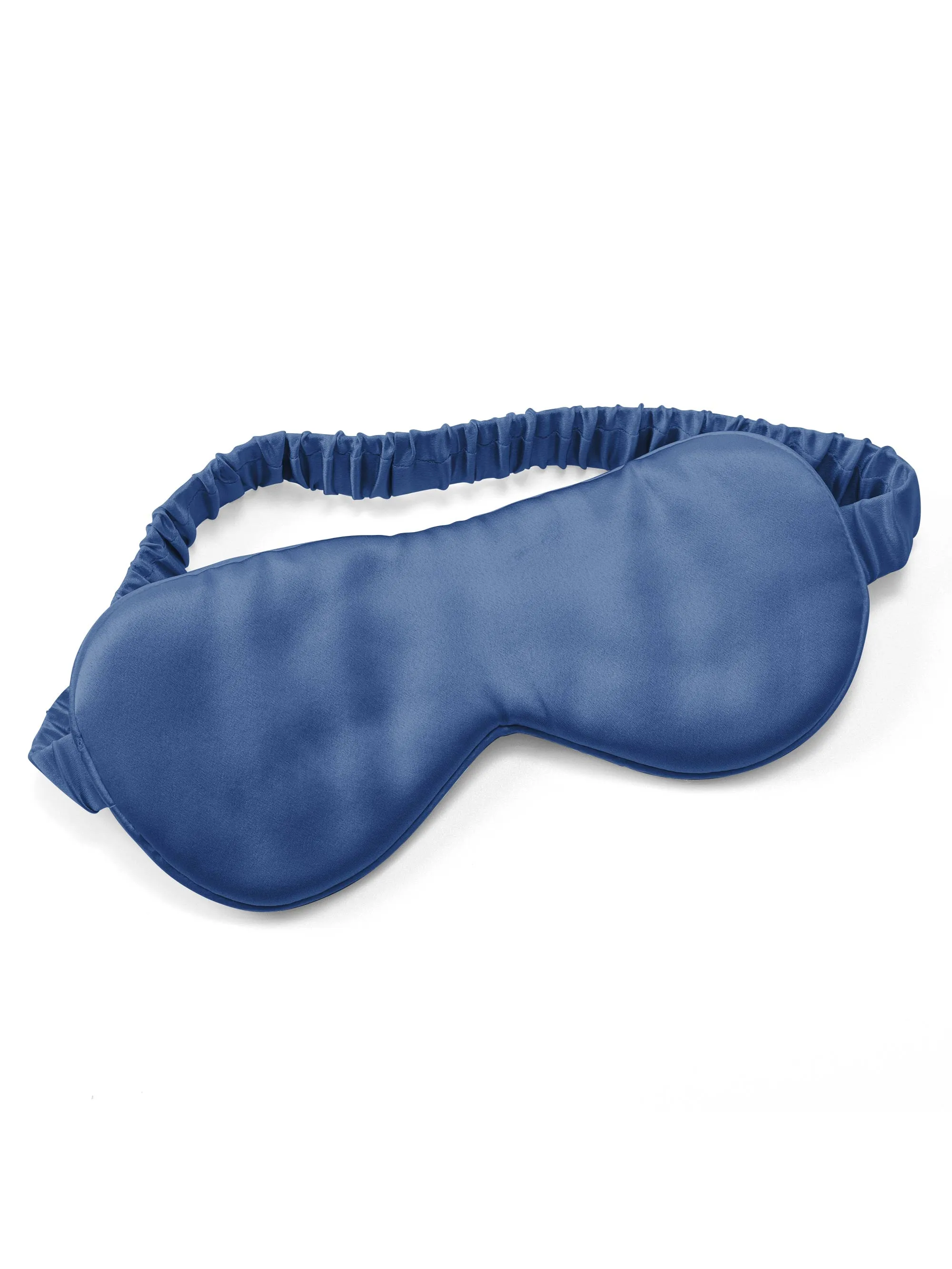
Muriersilk silk sleep mask with elastic band in navy blue

Our Silk Eye Mask Collection

If you're ready to switch to silk, here are our options:

All made from 100% 6A grade mulberry silk. Browse the full silk eye mask collection.

Related Reading

Frequently Asked Questions

Silk won't eliminate dark circles caused by genetics or lack of sleep. But by reducing friction and helping skin retain moisture overnight, silk masks can minimize the puffiness and dehydration that make dark circles look worse.

We don't recommend it. Machine washing can damage silk fibers and shorten the mask's lifespan. Hand wash in cool water with mild detergent every 7-10 days. Read our <a href="https://muriersilk.com/blog/how-to-wash-sleep-mask">sleep mask care guide</a> for detailed instructions.

Yes. Silk's smooth surface reduces friction on lashes, which helps extensions last longer. Cotton masks can catch on lash extensions and pull them out prematurely.

19-22 momme is ideal. It's dense enough to block light effectively while remaining soft and lightweight against your skin.

Check for "100% mulberry silk" and a momme weight on the label. You can also do the burn test: real silk burns slowly and smells like burning hair, while polyester melts and smells like plastic.

Shop the Collection

Discover Our Silk Eye Masks

Block out light naturally with our mulberry silk eye masks. Hypoallergenic, breathable. Free shipping over $150.

Sign up for exclusive offers

Stay informed about new products, silk care tips, and special promotions.